
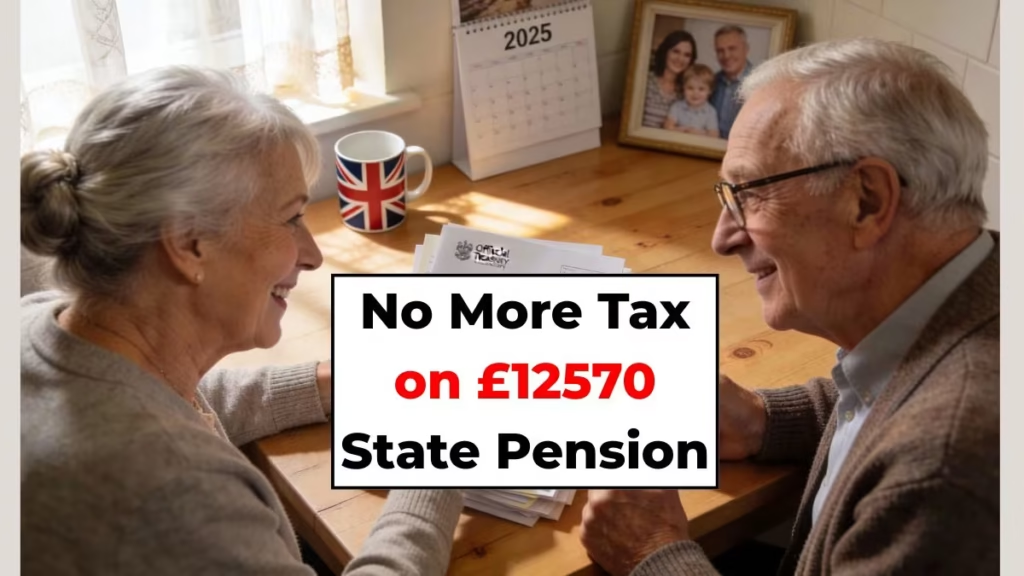
The UK Treasury has reassured that one of the major arrangements is to match up the state pension tax threshold with £12, 570 personal allowances. This action is targeted to make sure that the millions of pensioners do not pay income tax on their state pension alone. Lots of people who retire will benefit because the increase in pensions will reach this set limit.
What the Treasury Plan Means
The Treasury state pension tax plan puts individual allowance at £12,570 at least to 2031. The full new state pension of 2026/27 will increase to £12,534.60 a year, right short of this mark. The pensioners who receive income solely through state pensions will not pay taxes as stated by the Chancellor Rachel Reeves.
This is after several years of frozen thresholds sucking many more people into tax. The triple lock system ensures the growth of the state pensions by the maximum of the earnings growth, inflation or 2.5%. In 2026/27, a 4.8% growth in earnings leads to its growth to £241.30 weekly.
State Pension Rise Details
The entire new state pension increases by £11.30 per week to £241.30 per week starting April 2026. This will increase by more than £550 a year to people on the full rate. Basic state pension increases to £184.90 per week or £9,614.80 per annum.
| Pension Type | Current Weekly (2025/26) | New Weekly (2026/27) | Yearly Increase |
| Full New State Pension | £230.25 | £241.30 | £550+ |
| Basic State Pension | £176.45 | £184.90 | £440+ |
It is estimated that the new state pension will reach £12,861 in 2027/28 with minimum 2.5% increases. Without the plan, it would cost £12,570 and above by taxing even single recipients of pensions.
The reason why Pensioners are under taxation pressure.
There is a fiscal drag created by frozen personal allowance at £12,570 since 2021. The rising state pensions in terms of triple lock increase faster than the maintenance threshold. Full new pensioners would pay £58 tax per annum on £292 excess by 2027 and later.
The tax of those holding private pensions or savings is over £12,570. Approximately 750 000 pensioners may be taxed without change. The Treasury plan protects the state-only beneficiaries to 2030.
Who Qualifies for Tax Relief
Pensioners who get new state pension only at full rate or basic rate remain below £12,570. Mixed income such as the private pensions attracts tax on the excess. There are no additional allowances to be made on over-75s and they all use £12,570 as the standard.
Top-up benefits such as Pension credit are not taxable. There are about 11 million state pensioners, millions of whom only depend on it.
Impact on Millions of Retirees
This £12,570 state pension tax exemption would save thousands £58-£256 a year. It puts low-income pensioners (those who are not taxed the first time) off in 2027. Many drop the administrative burdens such as self-assessment.
Experts observe that it establishes two-tier system whereby state-only pensioners do not pay anything, but others pay. Close tracking Pensions are locked in with long term freezes to 2031.
How Tax Works on Pensions
Above £12,570 to £50,270 income tax begins at 20 percent. PAYE codes are used by pensioners; HMRC corrects in case they are underpaid. Shortfalls that are not returned are dealt with in simple assessments.
The withdrawals of the private pensions are counted. ISAs provide tax free savings in order to remain within limits.
| Income Level | Tax Rate | Example for Pensioner |
| £0 – £12,570 | 0% | Full state pension covered |
| £12,571 – £50,270 | 20% | £292 excess = £58 tax |
| Over £50,270 | 40% | Higher earners affected |
What Planners should know about Pensioners.
Check PAYE codes annually through GOV.UK. Delay private pension draws to offset state rises. Use ISAs for extra income. Claim Pension credit in case it is topped up. Monitor Budget 2025 for freeze extensions. Contact HMRC for assessments.
Fact Check About £12,570 State Pension No Tax
The Treasury confirmed the £12,570 freeze to 2031 and state pension rises under triple lock. Full new pension will reach £12,534.60 in 2026/27 which is below the threshold. According to the statements of Chancellors, sole state pensioners do not pay any tax before 2030. Without plan £12,861 pension versus £12,861 pension. Basic pension remains far below at £9,614.80. Maximum not increased on pensioners; they all use standard. Growing at a rate of £120 per annum.