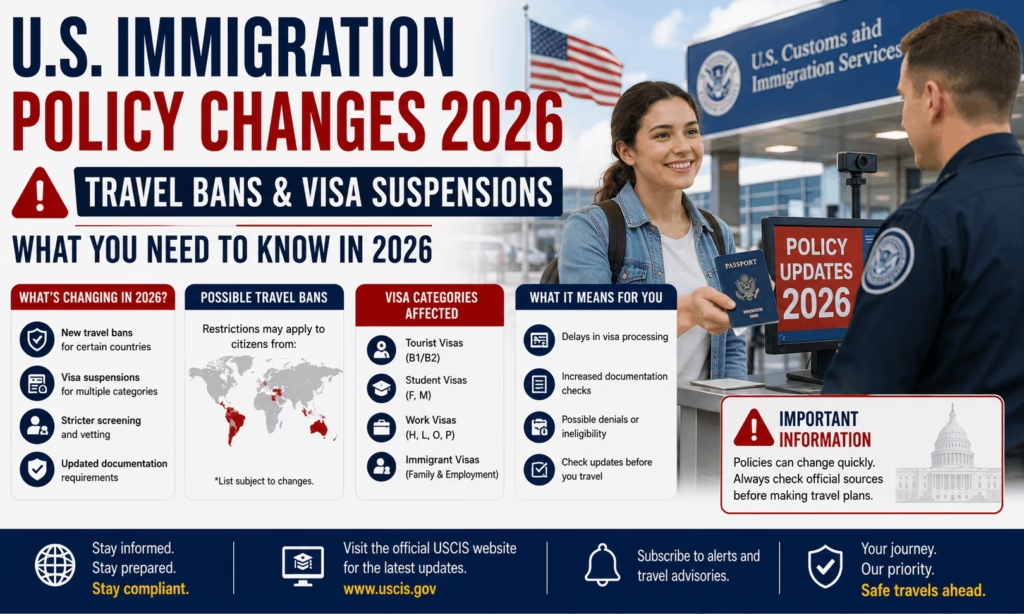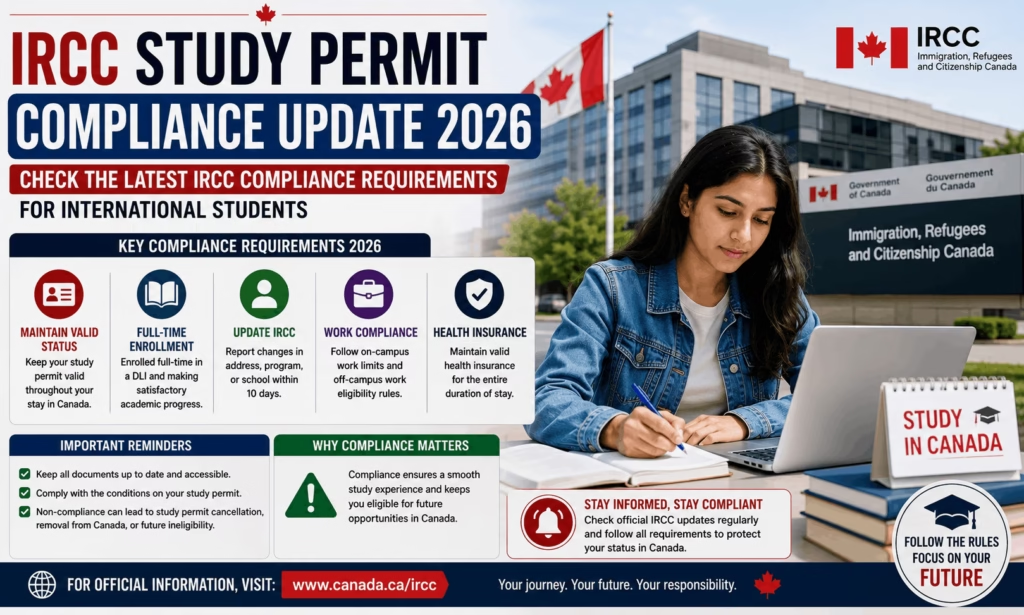
Canada PR for 200,000 temporary residents is now a federal budget proposal. Budget 2026, tabled on November 5, 2026, says up to 200,000 temporary residents already living in Canada would have the opportunity to become permanent residents by the end of 2027. The government has attached $302.3 million over four years, starting in 2027-28, to carry it out. The Immigration Levels Plan released the same day keeps permanent resident admissions at 380,000 a year for 2027 to 2029, and new temporary resident arrivals at 370,000 a year. According to the IRCC backgrounder, as summarized by Moving2Canada and Immigration.ca, the measure is time limited and has two cohorts of up to 100,000 people each: workers and a humanitarian group. It is not an open call for all work and study permit holders. TodoCanada, which reported the headline on November 6, also says new immigration screening requirements are proposed. We’ll be updating this article monthly as IRCC publishes rules and the budget bill moves through Parliament.
If you are a temporary resident, the first thing to know is what does not exist yet: no application form, no online portal, no published eligibility checklist and no start date for invitations. Several outlets that read the budget and the IRCC documents describe them as thin on how the measure will work. On screening, we could not open the TodoCanada piece, and the other sources we could read did not describe any screening rules for this measure, so we are not going to guess at them. The safest move now is to check whether you already have an application in one of the named programs, keep your documents current and ignore anyone who offers a spot for a fee. Below you will find who could qualify, how the numbers compare with the levels plan, what happens next, and a free scenario calculator.

Canada PR for 200,000 Temporary Residents Key Highlights
| Item | Detail |
|---|---|
| Proposal | Up to 200,000 temporary residents already in Canada could become permanent residents |
| Deadline target | By the end of 2027 |
| Budget date | November 5, 2026 |
| Funding | $302.3 million over four years starting 2027-28, plus $90.6 million in future years |
| Structure | Two cohorts of up to 100,000: workers and humanitarian |
| Is there an application form? | No, none announced |
| Open intake for all temporary residents? | No, per IRCC backgrounder summaries |
| Annual PR target 2027 to 2029 | 380,000 per year |
| Temporary resident arrival target 2027 to 2029 | 370,000 per year |
| Legal status | Budget proposal, details still to come |
What Budget 2026 Says About Permanent Residency for Temporary Residents
The budget describes the measure as a way to help many longstanding temporary residents move to permanent residence. The line most outlets quote is that up to 200,000 temporary residents already in Canada would have the opportunity to become permanent residents. The budget text itself gives only one concrete example: through work with provinces and territories, 100,000 workers eligible for Express Entry or the Provincial Nominee Program would be transitioned.
More detail came in an IRCC backgrounder released after the budget. It calls the plan a time limited measure with two groups. The stated goals are fairness for people already settled in Canada, meeting humanitarian commitments, keeping families together and reducing application backlogs. The word that matters most is opportunity. Nobody is guaranteed permanent residence, and the government has not said it will approve every person it identifies.
Finance Minister François-Philippe Champagne also said he wants to avoid using the Temporary Foreign Worker Program to fill jobs where unemployment is already high, and that the government wants to be more bespoke to respond to market needs. Immigration Minister Lena Diab was not expected to hold a news conference on the plan, which one outlet called unusual.
Who Could Qualify for the 200,000 PR Spots? Workers and Humanitarian Cohorts
| Cohort | Size | Who it appears to cover |
|---|---|---|
| Workers | Up to 100,000 | Workers already in Canada and their family members, identified with provinces and territories based on regional labour needs, plus people who already applied under certain federal programs |
| Humanitarian | Up to 100,000 | People waiting on Hong Kong pathway applications, Ukraine Family Reunification Pathway applications and certain humanitarian and compassionate cases |
The named programs in the worker cohort are the Atlantic Immigration Program, the Start-up Visa Program, the Self-Employed Persons Program, the Agri-Food Pilot and the home care worker programs. Provinces and territories could also use extra Provincial Nominee Program space, which the federal government says it will add. Moving2Canada points out that some of these programs are closed, so IRCC may speed up applications it already holds rather than open new intake.
The humanitarian cohort would process remaining applications under the Hong Kong permanent residence pathways and the Ukraine Family Reunification Pathway, and finalize applications from people already found eligible on humanitarian and compassionate grounds. Immigration.ca adds that in-Canada spouse, common-law partner and dependent child sponsorship applicants may be included, and that IRCC says this capacity should help bring spousal processing outside Quebec closer to 12 months. That detail comes from one secondary source, so treat it as likely but unconfirmed until IRCC publishes the rules.
Who Is Probably Left Out of the Budget 2026 PR Plan?
Because there is no open intake, many temporary residents will not benefit directly. One analysis from a Punjab focused newsletter lists groups that do not appear to be covered: work permit holders who have not filed a permanent residence application in an eligible stream, people whose permits have already lapsed, post-graduation work permit holders whose permits were refused, and asylum claimants. That is the author’s reading of the documents and not an IRCC statement.
Advocates are making a similar point. Syed Hussan of the Migrant Rights Network said 200,000 spaces equal less than one in 10 of the roughly 2.15 million people holding work or study permits at the end of August 2026, and that the announcement does nothing for an estimated 500,000 undocumented people. The Canadian Federation of Independent Business said it is waiting for more details about the rollout.
The numbers also show how crowded the existing queues are. Moving2Canada reports about 96,500 people waiting for a non-Express Entry provincial nominee decision and another 13,100 waiting for an Express Entry linked provincial decision. Together that is about 109,600, which is already larger than the 100,000 worker cohort before counting any other program. The Express Entry pool also held more than 228,000 candidates as of October 25, 2026.
Is the 200,000 PR Measure on Top of the Levels Plan?
This is the biggest open question, and the sources do not agree. The budget text does not say whether the 200,000 spaces are additional to the Immigration Levels Plan. A report carried by Yahoo News Canada says the new permanent residents would not count against annual immigration levels. Immigration.ca describes the measure as additional admissions space for 2027 that is separate from the regular plan. Moving2Canada is more cautious, saying the budget does not state it and that the author does not regard the measure as clearly additional.
The reason it matters is the arithmetic. If all 200,000 were on top of the 380,000 target, 2027 admissions could reach about 580,000, and above 600,000 if the high end of the range applied. If they are inside the target, the plan would simply be reshuffled toward people already in Canada. Our calculator below lets you test both.
Immigration Levels Plan 2027 to 2029: Key Numbers Next to the 200,000 Plan
| Category | Annual target 2027 to 2029 |
|---|---|
| Total permanent residents | 380,000 (range 352,500 to 422,000) |
| Federal High Skilled | 100,000 |
| Provincial Nominee Program | 95,000 |
| Atlantic Immigration Program | 6,000 |
| Total Economic | 244,700 |
| Total Family | 81,000 |
| Refugees and protected persons | 49,300 |
| Humanitarian, compassionate and other | 5,000 |
| New temporary resident arrivals | 370,000 (down from 385,000 in 2026) |
| Students | 150,000 (down from 155,000) |
| Workers | 220,000, including 170,000 International Mobility Program and 50,000 Temporary Foreign Worker Program |
| French speaking admissions outside Quebec | 9.5% in 2027, 10.5% in 2028, 12% in 2029 |
The levels plan was tabled a few days after the November 1 legal deadline. The temporary resident figures exclude visitors, asylum claimants, permit extensions, in Canada applications, post-graduation work permits and some seasonal workers. Earlier budget initiatives continue too, covering up to 115,000 protected persons and their dependants and 33,000 work permit holders in 2026 and 2027.
New Canadian Media adds useful context: 58 percent of those who became permanent residents between January and August 2026 were already in Canada, mainly on student or work permits. In other words, the shift toward people already in the country was happening before this budget.
New Immigration Screening Requirements in Budget 2026: What We Know
The TodoCanada headline says new immigration screening requirements are also proposed. We could not open that article, and the secondary sources we could read, including Immigration.ca, New Canadian Media, Moving2Canada and Daily Hive, did not describe any screening, security, medical or integrity rules for this measure. The Punjab focused analysis says no application form, portal, eligibility criteria or screening requirements have been published.
So the honest status is that screening is reported as proposed but not detailed in the material we reviewed. Existing permanent residence applications already involve biometrics, medical exams where applicable and background checks, and it is reasonable to expect the same standards to apply to anyone identified under the measure. That is our expectation, not a published rule. When IRCC releases the criteria, we will update this section.
One separate change is worth knowing about. Narcity reported on November 2 that Express Entry will give bonus points to temporary workers with a job offer in a high wage occupation starting November 3, with the Immigration Minister’s office calling it the first step in broader planned reforms. The article defined high wage as 1.3 times the median Canadian wage, or $47,650. That change is about Express Entry ranking, not the 200,000 measure, and the article does not link the two.
How to Apply for Canada PR Under the 200,000 Plan?
There is nothing to apply for yet. Based on the IRCC summaries, the government will identify people through existing programs and provincial work, so the practical steps are about preparation.
- Check whether you have an application in one of the named programs, such as the Atlantic Immigration Program, Start-up Visa, Self-Employed Persons Program, Agri-Food Pilot or a home care worker program.
- If you are in a provincial nominee stream, confirm your file status with your province and keep your nomination papers handy.
- If you are waiting on a Hong Kong pathway, Ukraine Family Reunification or humanitarian and compassionate application, sign in to your IRCC account and confirm your contact details.
- Make sure your passport, permit and police or medical documents will not expire during a long wait.
- Do not start a new application only because of this announcement. There is no stream to apply to.
- Watch the IRCC news pages and the budget bill for the criteria.
Be careful with consultants and websites that claim to sell a place in the 200,000. IRCC has published no application process, so any paid offer is a red flag. Use only canada.ca addresses for official updates.
Canada PR Processing Time: When Could the 200,000 Admissions Happen?
The budget gives a target of the end of 2027 and funding that starts in the 2027-28 fiscal year. It gives no processing time for individual applicants, and the sources we read do not either. What can be said is that the measure is described as extra processing space for people already in the system, so timing will depend on how fast IRCC and the provinces move through existing files.
The backlog numbers suggest patience will be needed. With more than 109,000 people waiting on provincial nominee decisions alone, and a 228,000 candidate Express Entry pool, the spaces are likely to go first to files already in the pipeline. IRCC’s own processing time tool is the place to check typical times for the program you applied to, and those times apply to normal files, not necessarily to this new measure.
Fees, Funding and Payment Schedule for the 200,000 PR Measure
None of the sources we reviewed mention a new application fee for this measure. The only money figures are what the government will spend. Budget 2026 allocates $302.3 million over four years starting in 2027-28, plus $90.6 million in future years, to implement it. Spread across 200,000 people, the four year figure works out to roughly $1,500 per person, which is our own division and not a government number.
For payment timing, the government’s schedule is the funding schedule: money begins in 2027-28, while admissions are targeted by the end of calendar 2027. Individual applicants should expect to pay the standard IRCC fees that apply to the program they are already in, and nothing more has been announced. Check the official fee page before paying anything.
Settlement funding is a separate story. The budget makes no specific mention of settlement services, and earlier announced reductions remain, including $935.7 million in 2026-27, $895 million in 2027-28 and $783.7 million in 2028-29. IRCC also said economic class permanent residents can use settlement services for up to six years after landing, dropping to five years from April 1, 2027.
Canada PR 200,000 Plan Calculator: Test the Numbers Yourself
The calculator below has three parts. The first shows how many permanent residents Canada could admit in 2027 depending on whether the 200,000 are on top of the levels plan. The second compares the 100,000 worker spaces with the reported provincial nominee backlog. The third divides the funding by the number of people. It is an estimate for understanding the policy and cannot tell you whether you personally qualify.
Canada PR 200,000 Plan Scenario Calculator
Policy math only. This tool cannot tell you whether you qualify.
1. 2027 permanent resident admissions
2. Worker cohort vs reported provincial nominee backlog
3. Funding per person
Defaults come from Budget 2026 coverage, the 2027 to 2029 levels plan and Moving2Canada. The funding figure is in Canadian dollars. Budget proposals can change. Not immigration advice.
Key Dates for Canada PR for 200,000 Temporary Residents
| Date | What happens |
|---|---|
| October 16, 2026 | Government announces the high wage definition for Express Entry bonus points, per Narcity |
| November 3, 2026 | Express Entry bonus points for high wage job offers begin, per Narcity |
| November 5, 2026 | Budget 2026 tabled and 2027 to 2029 Levels Plan released |
| November 6, 2026 | TodoCanada reports the 200,000 proposal |
| April 1, 2027 | Settlement service access for economic class PRs drops from six to five years |
| 2027-28 | Funding for the measure begins |
| End of 2027 | Target for up to 200,000 transitions |
Political Reaction to the Canada Budget 2026 PR Plan
Reaction has split along familiar lines. Conservative immigration critic Michelle Rempel-Garner said the plan treats immigrants and Canadian workers alike as sterile units of production, and argued it gives low wage employers an ongoing supply of temporary workers tied to single jobs. The article reporting her statement says Conservatives and several provincial premiers have denounced a potential rise in immigration, without tying the premiers to this plan specifically.
Business groups want details, and migrant advocates say the number is too small. The government’s argument, as relayed in news coverage, is that the measure recognizes the role of temporary foreign workers in growth, especially in rural and remote communities. That tension will probably shape the budget bill debate.
What the Plan Could Mean for Applicants From India
One analyst estimated that about 30,000 to 40,000 Indians, including dependants, could be among the 200,000, based on India’s share of recent work permits and new permanent residents. No official figure exists, and the estimate is the author’s own. The same piece notes that Indian permanent resident admissions fell from about 127,000 in 2024 to about 98,800 in 2025.
If you are from India or any other country, the rules would depend on the stream, not on nationality. The measure has not named nationality based quotas in anything we read.
Official Links for Canada PR, IRCC Updates and Budget 2026
| Resource | What it is for | Link |
|---|---|---|
| IRCC backgrounder | Official description of the 200,000 measure | https://www.canada.ca/en/immigration-refugees-citizenship/news/2026/11/building-a-stronger-canada-through-a-well-managed-predictable-immigration-system.html |
| Supplementary Immigration Levels 2027 to 2029 | Official levels plan | https://www.canada.ca/en/immigration-refugees-citizenship/corporate/immigration-system/levels/supplementary-immigration-levels-2027-2029.html |
| IRCC secure account | Sign in, register and check application status | https://www.canada.ca/en/immigration-refugees-citizenship/services/application/account.html |
| IRCC processing times | Check typical times by program | https://www.canada.ca/en/immigration-refugees-citizenship/services/application/check-processing-times.html |
| Budget Canada | Budget 2026 documents | https://budget.canada.ca/ |
| IRCC news | Latest announcements | https://www.canada.ca/en/immigration-refugees-citizenship/news.html |
For registration, use the IRCC secure account page. For status checks, sign in to the same account and open your application. There is no separate portal for the 200,000 measure at this time.
FAQs About Canada PR for 200,000 Temporary Residents
What is the Canada PR for 200,000 temporary residents plan?
It is a Budget 2026 proposal to let up to 200,000 temporary residents already in Canada become permanent residents by the end of 2027, through two cohorts of up to 100,000: workers and humanitarian cases.
Can I apply for the 200,000 PR spots now?
No. No application form, portal or intake has been announced.
Who is eligible?
The summaries point to people already in named programs, such as the Atlantic Immigration Program, Start-up Visa, Self-Employed Persons Program, Agri-Food Pilot, home care worker programs, Hong Kong pathways, Ukraine Family Reunification and some humanitarian files. Final criteria have not been published.
Is it guaranteed that I will get PR?
No. The budget uses the word opportunity, and sources say it does not guarantee approval.
Is the 200,000 on top of the 380,000 target?
Sources disagree. The budget does not say so directly, and some reports describe it as additional space.
When will it happen?
The target is the end of 2027, with funding starting in 2027-28. No individual timeline has been given.
Are there new screening requirements?
TodoCanada reports that new screening requirements are proposed. The other sources we could read did not describe them, and none have been published in detail.
Will there be a new fee?
None of the sources we reviewed mention one.
Can a work permit holder get PR in Canada?
Yes, through programs such as Express Entry and provincial nominee streams. The new measure is not an open route for every work permit holder.
How many people will Canada admit as permanent residents in 2027?
The levels plan target is 380,000, within a range of 352,500 to 422,000, and the 200,000 measure may or may not be added to that.
What is the Immigration Levels Plan 2027 to 2029?
It is the federal plan that sets targets for permanent residents and temporary arrivals, released November 5, 2026.
How many temporary residents will Canada admit?
The plan sets 370,000 new arrivals a year, including 150,000 students and 220,000 workers.
What is the Provincial Nominee Program?
It lets provinces and territories nominate people for permanent residence based on local labour needs. The federal government plans to add nomination space for the 200,000 measure.
What is Express Entry?
It is the federal system that ranks skilled candidates for permanent residence. Moving2Canada counted more than 228,000 candidates in the pool as of October 25, 2026.
Does the plan help international students?
Students are not named as a cohort in the summaries we read. Students who later hold a work permit and have an application in an eligible stream could be affected.
How can I check my application status?
Sign in to your IRCC secure account and open the application.
Conclusion
The proposal is big in headline terms and light on mechanics. Canada PR for 200,000 temporary residents would send up to 100,000 workers and up to 100,000 humanitarian applicants toward permanent residence by the end of 2027, backed by $302.3 million. But no form, criteria or screening rules have been published, sources disagree on whether the spaces are on top of the 380,000 target, and the number is small compared with the millions of people on temporary permits.
If you already hold an application in a named program, keep your file and documents current. If you do not, wait for the official criteria instead of paying for promises. We will keep this guide updated as IRCC and Parliament fill in the gaps.