2026 Midterm Results: Democrats won the House and the Senate on 3 November 2026, and they say restoring the expired ACA subsidies and reversing Medicaid cuts are early priorities. But nothing about your coverage has changed yet. The new Congress is not sworn in until January, President Trump still holds the veto, and the biggest Medicaid change, work requirements, is scheduled to start by 1 January 2027.
If you buy ACA coverage, the 2027 enrollment window is open now and closes on 15 January 2027 in most states. Plan around today’s rules, not around a law that has not been written.
What the 2026 Midterm Results Show?
Major outlets, including CBS News, NBC News and CNN, projected Democratic control of both chambers on election night. Counting was still under way on 4 November, and some races, including Senate contests in Alaska and Mississippi, remained unresolved.
- Senate: Democrats were projected to win at least 54 seats, according to Associated Press figures cited by KFF Health News. Coverage reports Democratic flips in Kansas, Iowa, Texas, Ohio, Maine, North Carolina and South Carolina.
- House: KFF Health News, citing the AP, reported Democrats projected at 237 or more of 435 seats. CBS News estimated a range of 251 to 268 once all votes are counted. Treat these as projections that may move.
- Leadership: Rep. Hakeem Jeffries is widely expected to become speaker. Sen. Chuck Schumer said on 4 November that “relief is on the way.”
- The White House: Trump said he has spoken with Democratic leaders and does not want to spend two years “vetoing everything.”
KFF polling cited by the Washington Post and others shows Democrats’ advantage on health care costs grew from 11 points in April to 20 points in September. Exit-style analysis is still coming in, so be careful with claims about why any single race went the way it did.
Where ACA Coverage Stands Before Any New Law?
The enhanced premium tax credits, created during the pandemic, expired at the end of 2025. Trump and the Republican-controlled Congress declined to extend them. KFF’s open enrollment brief, published 30 October 2026, gives the current picture:
| Measure | Latest figure | Source |
| Average change in benchmark silver premiums, 2027 | +13% (median proposed: 15%) | KFF |
| HealthCare.gov states vs. state-run exchanges | +11% vs. +16% | KFF |
| Benchmark silver premiums, 2025 to 2027 | +42% on average | KFF |
| Marketplace plan selections, 2026 vs. 2025 | Down 1.2 million | KFF |
| Effectuated enrollment, February 2026 | 19.2 million, down 12% (2.6 million) | KFF |
| CBO projection for 2027 enrollment | 13.1 million, from a 2025 peak of 22.4 million | CBO, via KFF |
| Insurers announcing exits vs. entries for 2027 | 11 exits, 7 entries (as of 29 October) | KFF |
People with incomes above 400% of the federal poverty level no longer qualify for premium tax credits and pay the full premium. Most other enrollees still get a subsidy that cushions the increase. KFF also notes that Cigna is leaving the individual market in all 11 states where it operates.
Other 2027 changes you may run into
- Immigrant eligibility. Tax credits are limited to lawful permanent residents, Cuban and Haitian entrants, and people living in the U.S. under the Compact of Free Association. Refugees, asylees and others can still buy coverage but not with subsidies.
- Uncapped repayment. Starting with the 2026 tax year, limits on repaying excess premium tax credits are gone. First tax filings under the new rule come in early 2027, so estimate your income carefully.
- Fewer brokers. HHS paused registration of new agents and brokers on the federal marketplace until February 2027, and Navigator funding was cut for 2026.
- Court stays. Courts have halted several rules for 2027, including a requirement to reconcile past credits before getting new ones. A rule that would have shortened open enrollment to nine weeks was vacated.
Medicaid: What Is Already Scheduled?
The 2025 budget reconciliation law (the One Big Beautiful Bill Act, H.R. 1) requires many Medicaid adults to meet a work requirement. On 1 June 2026 CMS issued an interim final rule (CMS-2454-IFC) that sets the details:
| Item | What the rule says |
| Start date | By 1 January 2027, or earlier if a state chooses |
| Who it covers | Adults ages 19 to 64 in the ACA expansion group, plus certain waiver groups |
| Monthly requirement | 80 hours of work, community service or a work program, or half-time school, or a combination |
| Income alternative | Monthly income of at least the federal minimum wage times 80 hours ($580 in 2026) |
| Checks | States verify at application and at renewal, and must do outreach before starting |
| States affected | KFF counts 43 states and D.C. Alabama, Florida, Kansas, Mississippi, South Carolina, Texas and Wyoming are not required to run it |
| States starting early | Nebraska has implemented it. Montana (1 July 2026) and Iowa (1 December 2026) start before January. Arkansas started 1 July 2026 with enforcement delayed to January 2027 |
Full Social Security at 60: Who Qualifies Under the New Blue Collar Bill?
Cash App CFPB Settlement Checks: Why You’re Getting a “Compensation Payment Is on the Way” Email
Some people are exempt, and states cannot widen the statutory medical frailty categories. States that cannot meet the January deadline may request a limited good-faith exemption. According to a law-firm summary of the CMS rule, CMS projects the requirement will reduce Medicaid enrollment by about 2.3 million people in fiscal 2027.
Two links to ACA coverage matter here. First, in states required to run work requirements, someone who loses or is denied Medicaid only for not meeting them will also be ineligible for premium tax credits. Second, that group may struggle to find affordable coverage until their Medicaid eligibility ends for another reason, such as a change in income.
What a Democratic Congress Can and Cannot Do?
The constraint is simple: any bill needs Trump’s signature or a veto-proof majority. Larry Levitt of KFF said Democrats will put forward an expansive agenda, including reversing cuts to Medicaid and the ACA, but that achieving all of it is impossible with Trump in the White House. Sabrina Corlette of Georgetown expects subsidy restoration to be rolled into a broader budget package. Allison Orris of Manatt advised clients not to count on changes, because undoing or even delaying the 2025 law costs money and Trump signed it as a signature accomplishment.
The timeline experts describe looks like this:
| When | What to watch |
| Now to year-end | Lame-duck session. Republicans still hold the majority and a short-term funding bill is likely in December. Medicare doctor payment cuts are scheduled to begin 1 January |
| Early January 2027 | New Congress sworn in. The current Congress ends 3 January 2027 |
| 15 January 2027 | ACA open enrollment ends in most states |
| About March 2027 | A government funding fight that analysts see as a likely vehicle for health care demands |
Protect Our Care’s Leslie Dach argues that Democrats could renew the subsidies and extend the 2027 enrollment period if they act within days of taking control. Levitt said a deal that restored the subsidies could be backdated to the start of 2027, meaning people who paid higher premiums would get money back. Both are possibilities, not promises.
What to Do Now?
- Shop during open enrollment. It runs from 1 November 2026 to 15 January 2027 in most states. Connecticut, Idaho and Massachusetts opened earlier. Check HealthCare.gov or your state exchange for the deadline for a 1 January start.
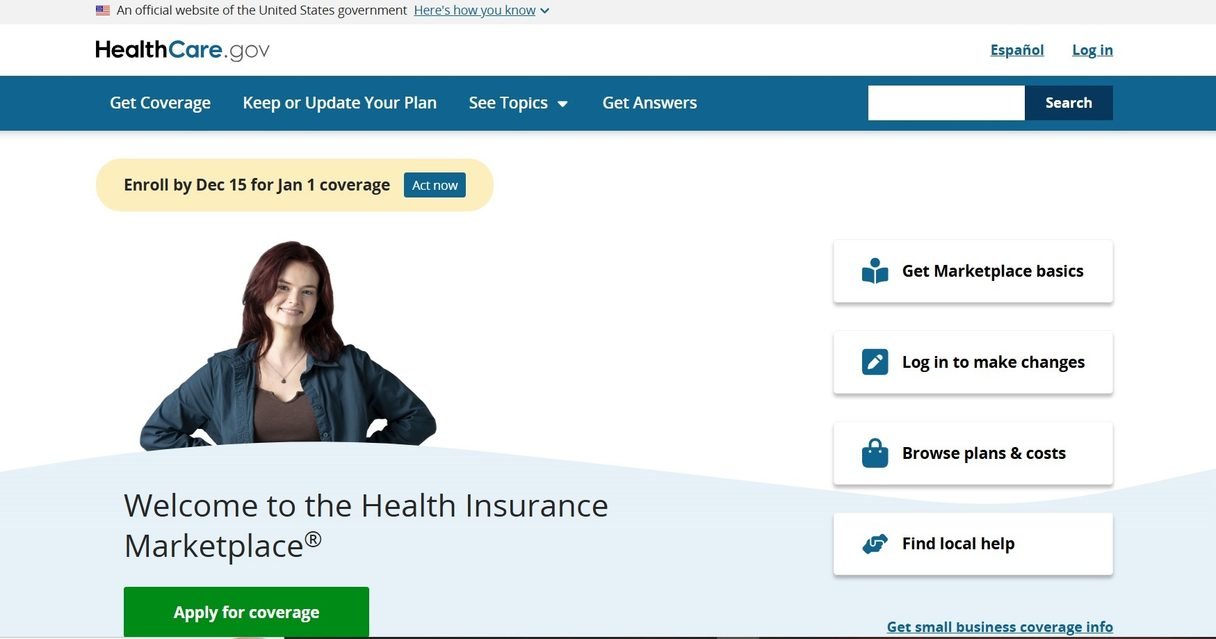
- Compare plans even if you like yours. Premiums and insurers changed, and you may find a cheaper metal tier.
- Estimate your 2027 income carefully. With repayment caps gone, an income that ends up higher than reported can mean a bigger tax bill. Update it during the year if it changes.
- Use a verified helper. Rules on new brokers changed. Confirm any agent through HealthCare.gov rather than an unsolicited call or text.
- If you are on Medicaid, check your state’s notices. Learn whether your state starts work requirements early, what documents it wants and whether you qualify for an exemption. Report work, school or volunteer hours as your state requires.
- Do not wait for Congress. If a subsidy law passes, enrolling now still protects you, and you can update your plan later if the rules allow.
Official Sources & Links
| Source | Kya milega | Link |
| KFF Health News (4 Nov 2026) | Midterm ke baad health policy ka outlook, Democrats ka agenda, Trump ka veto | CLICK HERE |
| KFF: 9 Things to Watch for 2027 ACA Open Enrollment | Premiums, enrollment, insurer exits, immigrant eligibility, court stays | CLICK HERE |
| KFF: Understanding the Health Insurance Marketplaces | Open enrollment ki dates (1 Nov 2026 se 15 Jan 2027) | CLICK HERE |
| CMS fact sheet: Medicaid work requirements (CMS-2454-IFC) | 80 hours/month rule, 1 Jan 2027 deadline | CLICK HERE |
| KFF Medicaid Work Requirements Tracker | State-wise status | CLICK HERE |
| CBO: Health insurance projections (July 2026) | 2027 enrollment projection (13.1 million) | CLICK HERE |
| Congress.gov: H.R. 1 (One Big Beautiful Bill Act) | Medicaid aur ACA changes ka original law text | CLICK HERE |
| CNBC: Democrats’ midterm results (4 Nov 2026) | Senate aur House ke results | CLICK HERE |
| CBS News: Midterm live updates | Seat projections | CLICK HERE |
| HealthCare.gov | Plan dekhna aur enroll karna | CLICK HERE |
Republicans promoted the Medicaid overhaul and other changes in the 2025 law as signature achievements during the campaign, and the administration has framed its marketplace rules as anti-fraud efforts. HHS said in September that it cancelled about 760,000 enrollments it called “phantom” signups, though KFF Health News reported that some legitimate enrollees were reinstated.
Those who favor the current approach argue it protects program integrity and taxpayers. Those who oppose it argue it takes coverage from eligible people. Both views will be argued in Congress next year.
Frequently Asked Questions :-
Who won the 2026 midterms?
Democrats were projected to win both the House and the Senate on 3 November 2026. Some races were still being counted on 4 November.
Do the results change my ACA plan or subsidy today?
No. Current law is unchanged, and the enhanced tax credits remain expired.
When does the new Congress start?
It is scheduled to be sworn in in January 2027, after the current Congress ends on 3 January.
Can Democrats restore the enhanced ACA subsidies?
They have said it is a priority, but a bill needs Trump’s signature or enough votes to override a veto. Experts expect it to ride on a broader budget deal.
Could restored subsidies be retroactive?
KFF’s Larry Levitt said a deal could be backdated to the start of 2027. That depends on how any law is written.
When is ACA open enrollment for 2027?
1 November 2026 to 15 January 2027 in most states. Connecticut, Idaho and Massachusetts opened earlier.
Who loses subsidy eligibility?
People above 400% of the federal poverty level, and many lawfully present immigrants outside the groups listed above.
When do Medicaid work requirements start?
By 1 January 2027, or earlier in states that choose. Montana and Iowa start before January, and Nebraska already has.
What counts as meeting the requirement?
80 hours a month of work, community service, a work program or half-time school, or monthly income of at least $580 (the 2026 federal minimum wage times 80).
Who is covered?
Adults ages 19 to 64 in the ACA expansion group and certain waiver groups, unless exempt. KFF counts 43 states and D.C.
Also Read :-
When Will You Learn Your Exact 2027 Social Security Amount? Dates and Steps
Trump Midterm Losses: “I Wasn’t on the Ballot” and What Happens Next in Congress