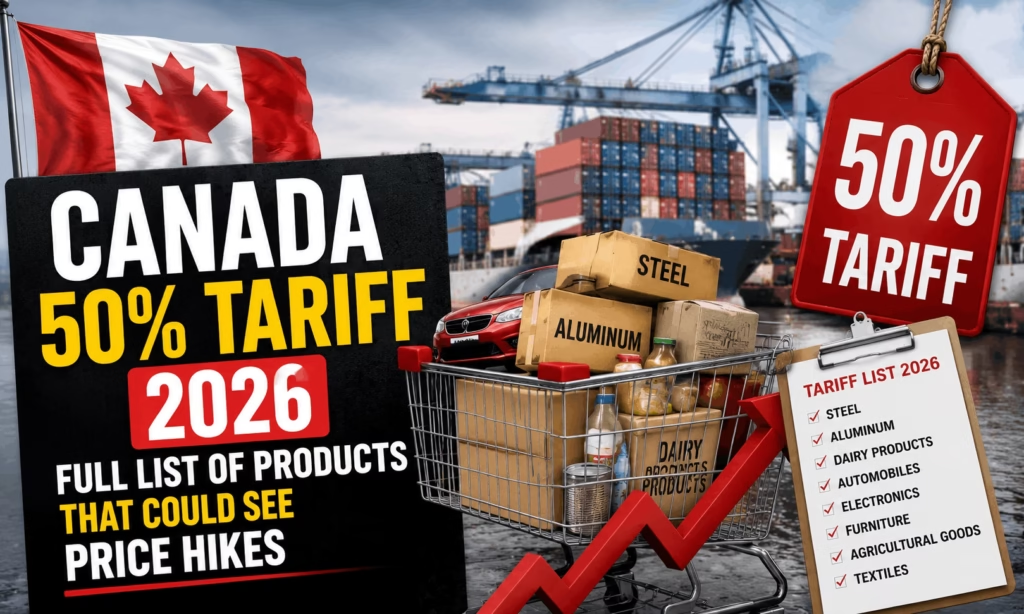
Canada 50% Tariff 2026: President Donald Trump has signed off on a sweeping Canada 50% Tariff 2026, targeting hundreds of Canadian goods ranging from wine and hockey sticks to cement, automobiles, and dairy products. On July 20, 2026, Trump signed three separate proclamations under Section 338 of the Tariff Act of 1930 a rarely used, nearly century-old provision that allows the president to impose duties of up to 50% on a country’s goods if it is found to be discriminating against US commerce. The White House says the move responds to what it calls Canada’s “unreasonable, unequal, and discriminatory” trade practices around automobiles, alcohol, and dairy.
This article breaks down exactly which products fall under the new 50% Canada tariff, when it takes effect, which goods are exempt, and how it could affect prices for American consumers. All information here is sourced from the official White House fact sheet and verified news coverage current as of July 2026. We’ll be updating this article monthly as new details, exemptions, or negotiation outcomes are announced.
Canada 50% Tariff 2026 Quick Summary
The Canada 50% Tariff 2026 was announced through three separate presidential proclamations, each addressing a different trade dispute — automobiles, alcoholic beverages, and dairy products. Unlike prior Canada-related tariffs, this new duty applies even to goods that would otherwise qualify for duty-free treatment under the USMCA (US-Mexico-Canada Agreement), since Section 338 tariffs override existing trade-pact protections. The tariff takes effect on August 19, 2026, giving both governments a 30-day window to negotiate before the higher rate applies to US importers.
| Key Highlight | Detail |
|---|---|
| Tariff rate | 50% (additional duty on top of existing tariffs) |
| Legal basis | Section 338 of the Tariff Act of 1930 |
| Date signed | July 20, 2026 |
| Effective date | 12:01 a.m. ET, August 19, 2026 |
| Number of proclamations | 3 (autos, alcohol, dairy-linked goods) |
| Products listed | 400+ tariff line items |
| USMCA override | Yes — applies regardless of USMCA eligibility |
| Exempted categories | Energy, potash, fish, critical minerals, Section 232 goods (steel/aluminum) |
| Who pays the tariff | US importers bringing goods into the country |
Who Qualifies: Products and Sectors Affected by the Canada Tariff
The Canada 50% Tariff 2026 covers a surprisingly wide net of consumer and industrial goods. According to the White House fact sheet and the customs schedules attached to the three proclamations, the following categories are affected:
1. Automobiles and Auto-Related Goods
Canadian-manufactured vehicles and certain automotive components are subject to the new 50% duty, tied to the administration’s complaint over Canada’s treatment of US auto exports.
2. Alcoholic Beverages
This is one of the most detailed categories, covering wine and sparkling wine, alcoholic cider, vermouth, sake, brandy, whisky, rum, gin, vodka, liqueurs, and tequila, along with Canadian beer and other spirits. The tariffs respond to Canadian provincial liquor boards restricting the sale of US alcohol.
3. Dairy Products
Milk, cream, and other dairy items are targeted directly, in response to what the White House calls Canada’s restrictive supply-management and tariff-rate-quota system for dairy imports.
4. Building Materials
Cement is specifically named by the White House as one of the flagship products covered under the new tariff.
5. Sporting Goods
Hockey sticks and other hockey equipment are explicitly listed — a symbolically notable inclusion given the sport’s cultural significance in Canada.
6. Furniture and Wood Products
Furniture pieces and various wood products fall under the new duty structure.
7. Electronics
Digital cameras, television monitors, optical media, and smartphones manufactured in or exported from Canada are included in the tariff schedule.
8. Apparel and Fashion
A broad category covering hats, footwear, shirts, suits, dresses, jackets, and wigs, essentially spanning head-to-toe clothing items.
9. Beauty and Personal Care Products
Hair care products, lipstick, eye makeup, and perfume are among the listed personal care goods.
10. Household and Miscellaneous Goods
Items such as tissues, toys, chandeliers, Christmas ornaments, fishing rods, seeds, and flower bulbs also appear on the extensive product list, which spans more than 400 individual tariff lines.
Payment Schedule: Canada Tariff Timeline and Effective Dates
Understanding exactly when the 50% Canada tariff kicks in is essential for both importers and consumers trying to plan ahead. Here is the confirmed timeline:
| Date | Event |
|---|---|
| July 20, 2026 | Trump signs three Section 338 proclamations imposing the 50% tariff |
| July 20 – August 18, 2026 | 30-day negotiation window before tariffs take legal effect |
| August 19, 2026, 12:01 a.m. ET | Official effective date — 50% duty applies to all covered Canadian goods entering the US |
| Ongoing | Canadian PM Mark Carney has stated both governments agreed to “intensify negotiations” during this window |
Importantly, the tariff is paid by US-based importers, not directly by the Canadian government or Canadian exporters. Once goods clear customs after August 19, importers can choose to absorb the added cost, negotiate lower prices with Canadian suppliers, or pass some or all of the increase on to American consumers through higher retail prices.
Eligibility: Which Canadian Goods Are Exempt From the Tariff
Not every Canadian import is affected by this new measure. The White House fact sheet specifically excludes the following categories from the Canada 50% Tariff 2026:
- Energy products (oil, gas, and related energy exports)
- Potash (a key fertilizer ingredient largely sourced from Canada)
- Fish and seafood products
- Critical minerals
- Goods already covered under Section 232 tariffs, including steel, aluminum, and certain automotive components already taxed under separate national security tariffs
According to trade economists, more than 90% of goods coming from Canada were previously USMCA-compliant and moved tariff-free. Since the new Section 338 tariffs apply “regardless of whether a good originates under USMCA,” this marks a significant departure from the protections that the 2020 trade agreement was designed to guarantee, effectively suspending duty-free treatment for the specific product categories named in the proclamations.
Latest Updates on the Canada Tariff Dispute
As of late July 2026, Canadian Prime Minister Mark Carney confirmed he had spoken directly with President Trump following the announcement, and both leaders agreed to “intensify negotiations in the coming weeks” before the tariffs take legal effect on August 19. Carney noted that Canada has “merely matched” earlier US tariff actions, referring to Canada’s own 25% tariffs on US steel, aluminum, and auto imports, which have been in place since September 1, 2025.
Ontario Premier Doug Ford has warned of a potential escalation, stating that if the tariffs proceed as scheduled, “Canada should respond tariff for tariff, dollar for dollar” — raising the possibility of a fresh round of Canadian retaliatory tariffs on US goods, similar to the C$30 billion in countermeasures Canada previously imposed in 2025.
This is also the first modern-era use of Section 338 of the Tariff Act of 1930, a provision that has essentially gone unused for nearly a century, making it a notable shift in how the current administration is approaching trade enforcement compared to earlier tariff actions based on Section 232 or reciprocal tariff authority.
How Much Could Prices Actually Rise?
While the tariff rate itself is 50%, trade analysts caution that this does not mean retail prices for affected goods will automatically jump by the same percentage. Final consumer prices depend on several factors, including:
- How much of the added cost importers choose to absorb versus pass on
- Transportation and distribution costs layered on top of the tariff
- Whether US retailers switch to alternative, non-Canadian suppliers
- Existing profit margins on the specific product category
For everyday shoppers, categories most likely to see noticeable price increases include Canadian wine and spirits, dairy products, cement and building materials, and hockey equipment, since these are harder to quickly substitute with non-Canadian alternatives compared to general apparel or electronics, which are often sourced from multiple countries.
Official Sources and Government Resources
For accurate, up-to-date, and official information on the Canada tariff situation, refer to the following government resources:
| White House Official Fact Sheet | https://www.whitehouse.gov/fact-sheets/ |
| US Trade Representative (USTR) | https://ustr.gov |
| US Customs and Border Protection (CBP) – Tariff Guidance | https://www.cbp.gov |
| Global Affairs Canada – Trade Updates | https://www.international.gc.ca |
| Canada Border Services Agency (CBSA) – Customs Notices | https://www.cbsa-asfc.gc.ca |
| Home Page | https://govtschemes.org/ |
Conclusion
The Canada 50% Tariff 2026 represents one of the most aggressive US trade actions against its northern neighbor in recent memory, using a legal provision that hasn’t been invoked in nearly a century. With over 400 product lines affected — spanning everything from wine and dairy to hockey sticks and cement — American consumers and businesses that rely on Canadian imports should expect potential price adjustments once the tariff takes effect on August 19, 2026. Since both governments have signaled a willingness to negotiate during the 30-day window, the final outcome could still shift before the deadline. We will continue updating this article every month with the latest developments as the situation evolves.
FAQs Canada 50% Tariff 2026
What is the Canada 50% Tariff 2026?
It is a set of three presidential proclamations signed on July 20, 2026, imposing a 50% tariff on select Canadian goods including automobiles, alcohol, dairy products, cement, hockey equipment, electronics, and apparel, under Section 338 of the Tariff Act of 1930.
When does the 50% Canada tariff take effect?
The tariff officially takes effect at 12:01 a.m. ET on August 19, 2026, 30 days after being signed, giving both governments time to negotiate.
Does the USMCA protect Canadian goods from this tariff?
No. Unlike most previous tariffs, this action applies even to goods that would normally qualify for duty-free treatment under the USMCA, since Section 338 tariffs override those existing trade protections for the listed products.
Which Canadian products are exempt from the new tariff?
Energy, potash, fish, critical minerals, and goods already covered under existing Section 232 tariffs (such as steel and aluminum) are excluded from this new 50% duty.
Who actually pays the tariff — the US or Canada?
The tariff is paid by US-based importers who bring the goods into the country, not directly by the Canadian government. Importers may then choose to absorb the cost or pass it on to consumers through higher prices.
Why did Trump impose this tariff on Canada?
The White House cited “discriminatory treatment” by Canada against American automobile, alcohol, and dairy exports, including Canadian provincial alcohol restrictions and dairy supply-management quotas.
Will Canada retaliate with its own tariffs?
Officials, including Ontario Premier Doug Ford, have suggested Canada could respond “tariff for tariff, dollar for dollar” if the new US tariffs take effect, though as of the latest update, both governments have agreed to continue negotiations first.