$1000 Stimulus Payment June 2026: Across the United States, millions of Americans are asking the same urgent question in June 2026: “Am I eligible for the $1,000 stimulus payment, and when will it hit my bank account?” With household budgets stretched thin by persistent inflation, rising housing costs, and elevated interest rates, the prospect of a $1,000 direct payment from the government is capturing enormous attention. In this comprehensive, up-to-date guide, we break down everything you need to know about the $1,000 stimulus payment in June 2026 including eligibility requirements, payment timelines, how to claim your money, and what to do if you haven’t received yours yet.
The term “$1,000 stimulus payment June 2026” refers to a combination of federal, state, and local direct relief programs currently being distributed to qualifying American households. While a single nationwide stimulus check similar to the COVID-era payments has not been universally enacted at the federal level in 2026, several targeted relief programs, state-level stimulus initiatives, and IRS direct payments are actively putting $1,000 or more into the hands of eligible citizens this month.
These include:
- IRS Recovery Rebate and tax credit refunds being issued to unclaimed filers
- State-level stimulus programs in California, Colorado, New Mexico, and other states
- Low-income household relief grants distributed by federal agencies
- Social Security and SSI bonus payments triggered by cost-of-living adjustments
- Child Tax Credit advance payments reaching qualifying families
Understanding which $1,000 payment program applies to you is the first step toward claiming what you are legally entitled to receive.
Federal Stimulus Payment June 2026
The Internal Revenue Service (IRS) continues to play a central role in distributing relief payments in 2026. The IRS has announced that it is processing outstanding Recovery Rebate Credit payments for taxpayers who missed or underclaimed credits from prior tax years. These payments can reach up to $1,400 per individual, and many Americans are receiving checks or direct deposits in the $800–$1,200 range during June 2026.
Who qualifies for IRS stimulus-related payments in June 2026:
- Taxpayers who filed a 2021, 2022, or 2023 federal tax return and were eligible for credits they did not fully claim
- Individuals with a 2025 adjusted gross income (AGI) under $75,000 (or $150,000 for married couples filing jointly)
- Non-filers who submit a simplified return to establish eligibility
- Social Security and SSI recipients who did not file a return but are identified as qualifying by the IRS
The IRS is prioritizing automatic payments where possible, meaning many eligible Americans will receive their direct deposit stimulus payment without taking any additional action. However, if your banking details are not on file with the IRS, you may receive a paper check or prepaid debit card by mail.
State-Level $1,000 Stimulus Payments June 2026 Updates
Several states have independently launched $1,000 direct payment programs targeting residents facing economic hardship. Here is a state-by-state breakdown of key programs active or distributing in June 2026:
California — Middle Class Tax Refund Follow-Up Payments
California continues to distribute supplemental relief payments to qualifying residents who did not receive the full Middle Class Tax Refund in prior cycles. Residents earning under $75,000 annually (or $150,000 for joint filers) who filed a 2024 California state tax return may be eligible for payments ranging from $200 to $1,050 depending on household size and income.
Colorado — TABOR Refund Payments
Colorado’s Taxpayer’s Bill of Rights (TABOR) refund program continues distributing surplus state revenue directly to residents. Eligible Colorado taxpayers who filed a 2025 state return can receive up to $800–$1,000 per individual or more for joint filers. Payments are being issued via direct deposit and paper check throughout June 2026.
New Mexico — Refundable Income Tax Rebates
New Mexico’s refundable income tax rebate program continues sending $500 per individual and $1,000 for joint filers to qualifying residents. Payments target households earning below the state median income and are distributed automatically to those who filed a 2025 New Mexico state tax return.
Illinois — Property Tax and Rent Relief Payments
Illinois is issuing targeted relief checks of up to $1,000 to qualifying low- and middle-income homeowners and renters through the Illinois Family Relief Program. Applications processed before the June 2026 deadline are now being paid out.
Alaska — Permanent Fund Dividend (PFD)
Alaska residents continue to receive their annual Alaska Permanent Fund Dividend, which in 2026 is estimated at approximately $1,300–$1,600 per eligible resident, including children. June 2026 marks the final processing phase for late-filed applications.
Social Security Recipients: Are You Eligible for an Extra $1,000 Payment?
Social Security and SSI (Supplemental Security Income) beneficiaries have been among the most prominent recipients of stimulus-adjacent payments in 2026. The 8.7% cost-of-living adjustment (COLA) applied to Social Security in recent years, combined with new supplemental assistance programs, has resulted in many seniors and disabled Americans receiving lump sum back payments or bonus distributions that reach or exceed $1,000.
If you receive Social Security retirement benefits, SSDI, or SSI, check the following:
- Have you received all retroactive COLA adjustment payments owed to you?
- Are you enrolled in the Low Income Subsidy (Extra Help) program for Medicare prescription costs?
- Have you claimed the Senior Stimulus Enhancement offered in select states?
- Is your direct deposit information current with the Social Security Administration (SSA)?
To verify your payment status, log into your account at ssa.gov/myaccount or call the SSA toll-free at 1-800-772-1213.
Child Tax Credit Payments June 2026: Up to $1,000 Per Child
The Child Tax Credit (CTC) remains one of the most powerful tools for putting money back into American family budgets. In 2026, qualifying families can receive up to $2,000 per child annually, with advance monthly payments potentially delivering $166 per child per month — or lump sum payments during tax season.
Eligibility for Child Tax Credit payments in June 2026:
- Child must be under 17 years old and a U.S. citizen or resident
- Parent or guardian must have a 2025 AGI below $200,000 (single) or $400,000 (married filing jointly)
- Families who did not claim their full credit on their 2025 tax return may receive a catch-up direct payment from the IRS in June 2026
If you believe you are owed unpaid Child Tax Credit funds, file or amend your 2025 federal tax return immediately at irs.gov/freefile.
How to Claim the $1000 Stimulus Payment?
Majority of the recipients will not be required to apply. IRS and Social Security systems are automatic. Direct Deposit: The money will be deposited into your current bank account on record with the IRS or social security administration. Paper Check: In case no bank account is indicated, a physical check will be sent to your registered address.
Prepaid Debit Cards: A portion of the recipients would be issued with their payments through Economic Impact Payment (EIP) cards which are reusable. Social security recipients, SSI, SSDI, and VA recipients will automatically receive funds in the same manner in which they tend to receive their benefits.
In case your payment is not received in time, you can confirm its status using the IRS Get my payment tool or you can access the social security administration portal in case the payment is based on benefits.
How to Check If You Are Eligible for the $1,000 Stimulus Payment
With multiple programs running simultaneously, determining your stimulus payment eligibility in June 2026 requires checking several sources. Here is a step-by-step eligibility checklist:
Step 1 — Check the IRS Portal Visit irs.gov/refunds and use the “Get My Payment” or “Where’s My Refund” tool to verify whether the IRS has a payment scheduled for you.
Step 2 — Check Your State’s Revenue Department Website Look up your state’s official tax or revenue department website and search for active relief payment programs or rebate schedules for 2026.
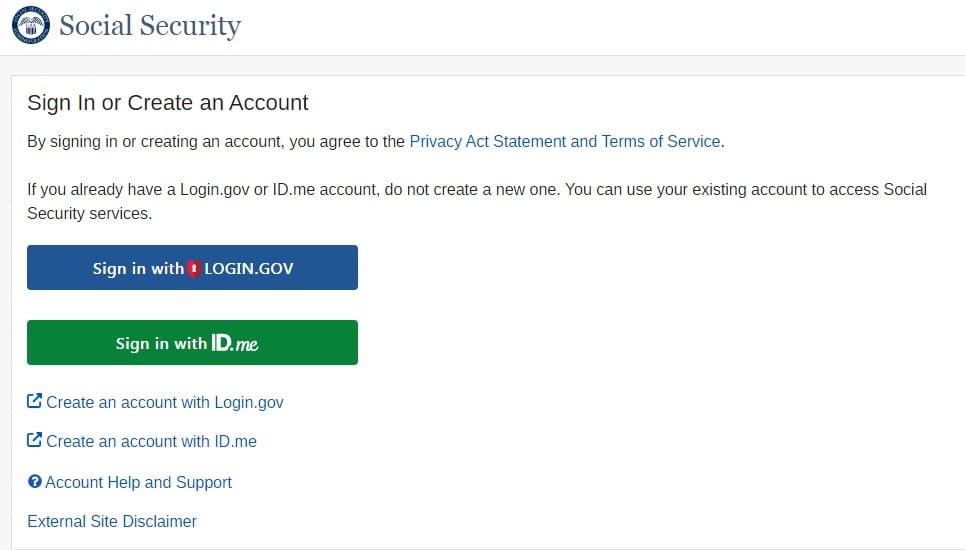
Step 3 — Verify Your Social Security Account Log into ssa.gov/myaccount to confirm your benefit amount and check for any pending lump sum or retroactive payments.
Step 4 — Review Your 2025 Tax Return Ensure that you correctly claimed all available credits including the Child Tax Credit, Earned Income Tax Credit (EITC), and Recovery Rebate Credit.
Step 5 — Check for Unclaimed State Refunds Visit your state comptroller or treasurer’s website and search for unclaimed funds in your name — millions of Americans have unclaimed tax refunds and state payments sitting dormant.
When Will the $1,000 Stimulus Payment Arrive in June 2026?
The timing of your $1,000 direct payment depends on the specific program and your payment method:
| Payment Type | Expected Timeline |
|---|---|
| IRS Direct Deposit | Within 5–10 business days of approval |
| IRS Paper Check | 3–6 weeks from processing date |
| State Direct Deposit (CA, CO, NM) | Mid-to-late June 2026 |
| State Paper Check | Late June to mid-July 2026 |
| Social Security Direct Deposit | Tied to your regular SSA payment date |
| Child Tax Credit (IRS) | Based on 2025 return processing date |
To receive your payment as quickly as possible, ensure your direct deposit banking information is current with both the IRS and your state tax authority.
Stimulus Payment Scam Warning: June 2026
As $1,000 stimulus payments make headlines, fraudsters are aggressively targeting Americans with fake notifications. Protect yourself with these key reminders:
- The IRS will never contact you via text message, social media, or email to send your stimulus payment
- Do not provide your Social Security number, bank account number, or routing number to unsolicited callers
- All legitimate IRS communications arrive via official mail with a government return address
- Verify any payment-related information only at irs.gov or by calling 1-800-829-1040
- Report stimulus scams to the IRS Phishing Hotline: phishing@irs.gov or the FTC at reportfraud.ftc.gov
The $1,000 stimulus payment landscape in June 2026 is more complex than a single government check — but the money is real and it is available. Whether you are owed an IRS Recovery Rebate, a state tax rebate, a COLA-adjusted Social Security supplement, or an unclaimed Child Tax Credit, millions of Americans qualify for payments totaling $1,000 or more right now.
The key is to take action: check your IRS account, review your state’s official relief programs, confirm your banking details are current, and file any missing or amended tax returns immediately. Every dollar of relief you are entitled to should be in your pocket — not sitting unprocessed in a government system.