
Grocery Prices Could Drop in 2026: Shoppers pushing carts through the grocery store this summer are noticing something unusual: the total at checkout isn’t climbing the way it has for the past few years. According to the U.S. Department of Agriculture’s latest Food Price Outlook, released in late July, overall grocery prices are now expected to rise just 2.8% for all of 2026, a slower pace than the past several years and close to the historical norm. But that number hides a much messier reality happening inside individual grocery carts.
Egg prices have collapsed. Beef prices have done the opposite, climbing to some of the highest levels in decades. And depending on what’s actually on your shopping list, from candy to coffee to chicken, your personal grocery bill could be shrinking or growing regardless of what the national average suggests. Here’s a breakdown of what’s genuinely getting cheaper heading into the rest of 2026, what’s still getting more expensive, and why.
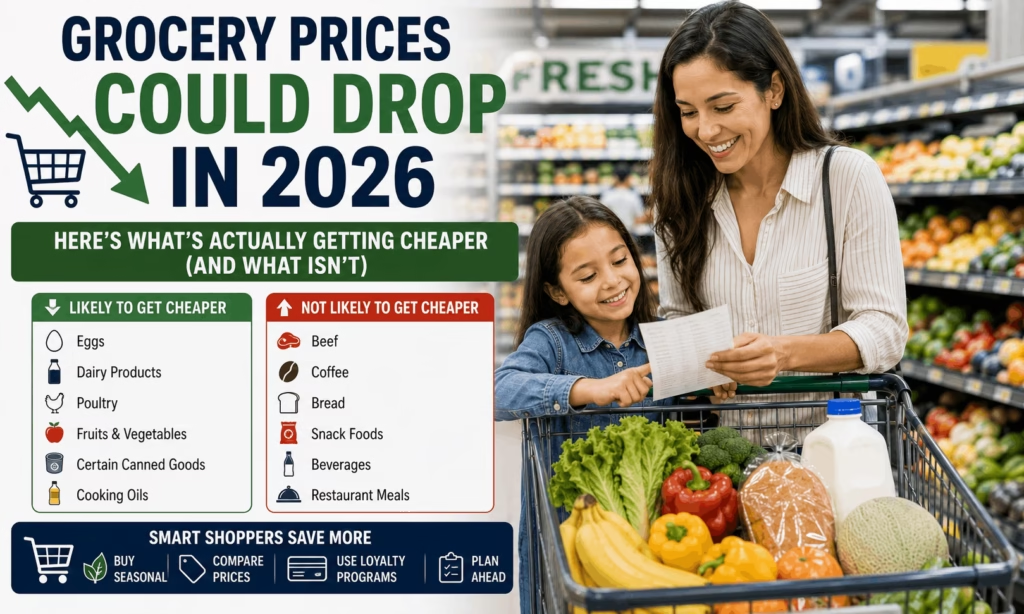
Eggs Are the Biggest Winner This Year
Eggs are the clearest bright spot in this year’s grocery data, and the numbers are striking. USDA now expects retail egg prices to fall roughly 30% for all of 2026, after prices were already down close to 28% to 35% year-over-year by early summer, depending on the month measured. At the farm level, where prices tend to move first and most dramatically, egg costs were down more than 80% compared to a year earlier.
The reason comes down to one thing: bird flu. A wave of highly pathogenic avian influenza outbreaks tore through egg-laying flocks starting in 2022, wiping out tens of millions of birds and sending egg prices to record highs by early 2025. This year, new detections have slowed considerably, and farms have had enough replacement pullets to rebuild flocks faster than expected. Production is now catching up to demand, and prices are simply falling back toward earth. For a household that buys eggs regularly, this is the most noticeable relief in the entire grocery budget this year.
State-by-State SNAP Food Ban 2026: What’s Banned, Status Update
Missouri SNAP Food Ban Delayed: What’s Banned & Latest Status
Hawaii SNAP Soda Ban Delayed to 2027: What Will Be Banned & Status
Florida SNAP Junk Food Ban 2026: What’s Banned, Court Update, EBT Rules & Latest Status
Nevada SNAP Food Ban: What’s Banned & Start Date Explained
Beef Is Becoming a Genuine Budget Problem
On the opposite end, beef is telling a very different story. The national cattle herd has shrunk to its smallest size in 75 years, the result of years of drought, high feed costs, and ranchers holding back on rebuilding their herds. With fewer cattle available, wholesale and farm-level prices have surged, and that’s finally showing up at the meat counter.
USDA’s latest projection puts beef and veal price increases somewhere between 7.5% and nearly 11% for 2026, with some monthly readings showing prices already more than 12% higher than a year earlier. Ground beef, in particular, has been setting fresh price records at grocery chains across the country. Analysts don’t expect meaningful relief soon, since it takes years, not months, for ranchers to rebuild a cattle herd once it’s been reduced this sharply.
If your grocery bill feels heavier than it should this year, beef is very likely the reason.
Candy, Chocolate and Sugary Drinks Are Also Climbing
This is the category most shoppers don’t expect. Sugar and sweets, things like candy, cookies, and other desserts, are forecast to rise close to 7% in 2026, more than double their typical yearly increase. Chocolate has been hit especially hard, with retail prices more than doubling since 2024 as cocoa-growing regions in West Africa deal with crop disease and drought that have crushed global supply.
Coffee, tea, soda, and other nonalcoholic beverages are following a similar path upward, with prices expected to rise around 5.5% to 5.7% this year. Coffee has been the main driver, after supply issues in major growing regions like Vietnam and Brazil pushed raw bean prices sharply higher over the past two years, even though prices have started easing slightly from their peak.
Orange juice has arguably had the roughest run of any grocery item. Citrus disease and severe weather in Florida have pushed orange juice prices up by roughly a quarter compared to a year earlier, making it one of the more expensive items per ounce in the entire beverage aisle.
What About Chicken, Pork and Everyday Proteins?
If beef is stretching your budget, the good news is that other proteins are holding up much better. USDA expects pork prices to rise less than 2% in 2026, and some monthly data has even shown pork prices dipping slightly. Poultry is following a similar pattern, with prices expected to increase only modestly, generally in the range of 1% to 1.6% for the year, well below the pace of overall food inflation.
For families trying to manage a tighter grocery budget without giving up protein, this is where the easiest savings are hiding in plain sight. Swapping a beef dinner for chicken or pork even once or twice a week can meaningfully offset the sting of rising beef prices elsewhere in the cart.
Fruits and Vegetables: A Mixed Bag
Produce prices depend heavily on what, specifically, is in your cart. Fresh vegetables overall are expected to rise a notable 7% to 8% this year, driven largely by tomatoes, which have seen some of the sharpest increases of any grocery item, up over 30% year-over-year in some readings due to weather disruptions and import-related cost pressures. Potatoes, on the other hand, have actually gotten slightly cheaper.
Fresh fruit is expected to see a smaller increase, generally around 2% for the year, a relatively mild rise compared to vegetables. At the farm level, some fruit categories were actually down double digits earlier in the year before prices firmed up again heading into summer.
Here’s the Quick Breakdown
| Grocery Category | 2026 Price Trend | What’s Driving It |
|---|---|---|
| Eggs | Down roughly 30% | Bird flu outbreaks easing, flocks rebuilding |
| Beef and veal | Up 7.5% to 11% | Cattle herd at 75-year low |
| Pork | Up under 2% | Stable supply |
| Poultry (chicken) | Up about 1% to 1.6% | Stable supply |
| Sugar and sweets (candy, chocolate) | Up close to 7% | Global cocoa shortage, drought |
| Nonalcoholic beverages (coffee, soda) | Up around 5.5% to 5.7% | Coffee bean supply shortages |
| Fresh vegetables | Up 7% to 8% | Tomato prices surging |
| Fresh fruit | Up about 2% | Mild, mostly stable |
| Orange juice | Up about 25% year-over-year | Citrus disease, Florida weather |
Why Is This Happening All at Once?
The short answer is that grocery inflation in 2026 isn’t one story, it’s several smaller stories happening at the same time in different corners of the food supply chain. Livestock markets are dealing with genuine supply shortages that take years to fix, since it’s not possible to instantly grow a bigger cattle herd. Egg markets are recovering from a disease outbreak that’s finally starting to ease. And global commodities like cocoa and coffee are being squeezed by weather and crop problems happening thousands of miles away, in places like West Africa and Brazil, that have nothing to do with what’s happening in a store in Ohio or Ontario.
USDA’s economists have also pointed out an interesting side effect of all this: as grocery inflation slows overall while restaurant prices keep climbing faster (forecast to rise nearly 4% this year), more households may start cooking at home more often simply because it’s becoming the comparatively cheaper option again.
FAQs
Will grocery prices go down in 2026?
Not across the board, but some categories genuinely will. Eggs are the clearest example, with prices expected to fall around 30% for the year. Most other categories are still rising, just more slowly than in recent years.
Why are egg prices dropping so fast right now?
Fewer new bird flu outbreaks in 2026 have allowed egg-laying flocks to recover faster than expected, and production has caught up to demand after two years of shortages.
Why is beef so expensive in 2026?
The U.S. cattle herd has shrunk to its smallest size in 75 years due to years of drought and high costs for ranchers. Fewer cattle means tighter supply, and prices typically stay high until herds are rebuilt, which can take several years.
Is chicken cheaper than beef right now?
Yes, by a wide margin. While beef prices are climbing close to double digits this year, chicken and pork prices are only expected to rise slightly, making them noticeably better value in 2026.
Why is chocolate so expensive this year?
A global cocoa shortage, driven mainly by crop disease and drought in major West African producing countries, has pushed cocoa prices to record highs, and that cost has been passed on directly to chocolate and candy prices at the store.
Conclusion
Grocery prices in 2026 aren’t simply “up” or “down,” they’re splitting in two very different directions depending on what’s in your cart. If eggs are a staple in your house, this is one of the best years for your wallet in a long time. If beef, chocolate, or your morning coffee are staples instead, expect to keep paying more for the rest of the year. The most practical move for most households right now is the same one grocery experts have been repeating all year: build more meals around chicken, pork, and eggs while beef stays expensive, and treat this as a good year to trim back on candy, soda, and specialty coffee purchases if the budget is tight.
Important Links
| Source | Link |
|---|---|
| USDA Economic Research Service, Food Price Outlook | ers.usda.gov/data-products/food-price-outlook/summary-findings |
| USDA ERS Livestock, Dairy, and Poultry Outlook | ers.usda.gov/publications?series=LDPM |
| Bureau of Labor Statistics, Consumer Price Index | bls.gov/cpi |
| Food Marketing Institute (FMI), 2026 Food Price Inflation Outlook | fmi.org/blog |
| Home Page | https://govtschemes.org/ |
Nebraska SNAP Food Ban Overturned: What’s Banned, Court Update & Latest Status
Ohio SNAP Food Ban starts October 1, 2026: What’s Banned, Court Update & Rules
Oklahoma SNAP Food Ban 2026: Latest Court Ruling, Restricted Items & Status