VA Hospice Benefits: Veterans facing a terminal diagnosis, and the families caring for them, are increasingly finding out about a benefit many never knew existed: full, no-cost hospice care through the Department of Veterans Affairs. New reporting this year has drawn attention to a gap that advocacy groups have flagged for some time, veterans use hospice care at lower rates than the general public, even though the VA hospice benefit covers nearly all of the cost, including medication, equipment, nursing visits, and emotional support, with no copay for eligible veterans. For families navigating a terminal illness, understanding what this benefit actually includes, and whether their veteran qualifies, can make a significant difference in the quality of care during the final months of life.
The VA hospice benefit is not a separate program veterans have to apply for on its own. It is built directly into the VA’s standard medical benefits package, meaning any veteran enrolled in VA health care who meets the clinical criteria can access it, often without the confusion or paperwork delays that surround other VA claims. This matters right now because more veterans from the Vietnam and early Gulf War era are reaching an age where terminal illness and end-of-life planning become urgent. We’ll be updating this article monthly as VA policy and coverage details change.
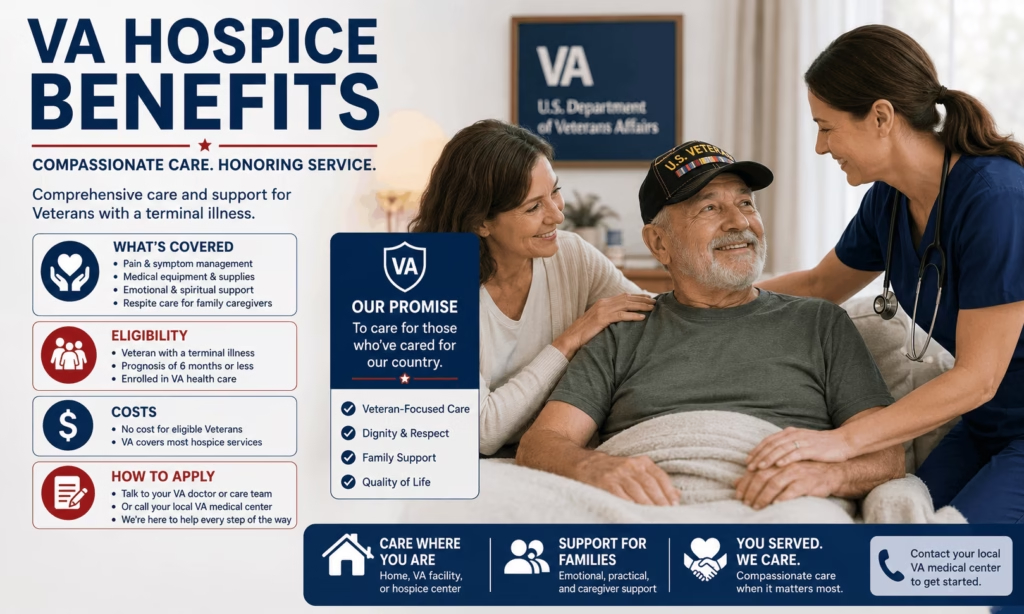
What Does VA Hospice Care Actually Cover
The VA hospice benefit is built to cover essentially everything connected to comfort-focused, end-of-life care once a veteran qualifies. According to VA guidance and multiple veteran-focused hospice organizations, coverage generally includes the following.
Medical equipment and supplies needed for comfort care, including hospital beds, wheelchairs, oxygen equipment, and wound care supplies, are fully covered at no cost to the veteran. Medications related to the terminal diagnosis, particularly pain and symptom management drugs, are also included without a copay. Nursing visits from an interdisciplinary hospice team, which typically includes physicians, nurses, social workers, and chaplains, are part of the standard benefit. Home health aide support, to help with bathing, dressing, and other daily needs, is generally covered as part of the plan of care.
Beyond the physical and medical side, VA hospice extends to emotional, social, and spiritual support. Social workers help families navigate practical concerns, from advance directives to coordinating additional resources. Chaplain or spiritual care services are available regardless of a veteran’s religious background. Grief counseling and bereavement support for family members typically continues for a period after the veteran’s death, which is a detail many families are not aware of until they need it.
One point that surprises many families is that choosing hospice through the VA does not require a veteran to give up other VA benefits they are already receiving. Veterans can also continue disease-modifying treatments in some cases, since VA hospice care focuses treatment goals on comfort rather than requiring a veteran to fully abandon medical intervention, a flexibility that differs somewhat from the traditional Medicare hospice model.
VA Hospice Eligibility Requirements
Not every veteran automatically qualifies for VA hospice benefits, so understanding the actual eligibility rules matters before assuming coverage applies. Based on current VA criteria, a veteran generally needs to meet the following conditions.
Enrollment in VA health care is the first requirement. A veteran must already be enrolled in the VA health care system, or otherwise meet the criteria for VA health benefits eligibility, before hospice services can begin. Veterans who are not yet enrolled should start that process as early as possible, since enrollment itself can take time.
A terminal or life-limiting diagnosis is required, generally with a prognosis of six months or less if the illness runs its normal course, as certified by a physician. This does not mean a veteran is barred from hospice if they live longer than six months. Hospice eligibility can be recertified and extended if the veteran’s condition continues to meet the criteria.
Treatment goals must be focused on comfort rather than cure. This is a clinical and personal decision made in consultation with the veteran’s medical team, and it does not exclude certain disease-modifying treatments in every case, but the overall direction of care needs to shift toward symptom management and quality of life.
Discharge status also plays a role. An honorable or general discharge typically qualifies a veteran for VA health care and, by extension, hospice benefits. Veterans with other than honorable discharges may still be eligible depending on the specific circumstances of their discharge, and this is usually determined case by case. A dishonorable discharge generally disqualifies a veteran from VA health benefits entirely.
Importantly, hospice eligibility does not require that the terminal condition be connected to military service. Veterans can access VA hospice benefits for illnesses unrelated to their time in service, as long as they are enrolled in VA health care and meet the clinical criteria above.
Social Security $200 Monthly Increase 2027: Which Seniors Qualify for the Biggest Raise?
H-1B 60-Day Grace Period Elimination: What US Visa Workers Should Know
450,000 Borrowers Student Debt Erased: How to Check If You Qualify?
Can You Change Your Social Security Payment Date? Here’s the SSA Answer
VA Hospice Benefits Key Facts
| Category | Details |
|---|---|
| Who qualifies | Veterans enrolled in VA health care with a terminal diagnosis and a prognosis of six months or less |
| Discharge status needed | Honorable or general discharge typically qualifies; other than honorable reviewed case by case |
| Cost to veteran | Typically no copay for hospice care through a VA facility or VA-contracted provider |
| Service connection required | Not required; hospice is available regardless of whether the terminal illness is service-connected |
| Where care is delivered | VA medical centers, VA home hospice, or community hospice providers under the VA Community Care program |
| Does hospice affect other VA benefits | No, choosing hospice does not reduce or disqualify a veteran from other VA benefits |
| Family support included | Grief counseling and bereavement support for families, typically continuing after the veteran’s death |
VA Hospice Versus Community-Based Hospice Care
Veterans generally have two main pathways for receiving hospice services, and knowing the difference helps families choose the right fit.
VA hospice care delivered directly through the VA means a veteran receives services either at a VA medical center or through the VA’s own home hospice program. This option is fully covered for eligible veterans with no out-of-pocket costs, and it keeps care coordinated entirely within the VA system.
Community hospice care, delivered by Medicare-certified hospice agencies outside the VA, becomes an option under the VA MISSION Act when a veteran lives more than 30 minutes from a VA hospice program, when VA hospice services are not available in that veteran’s area, or when a veteran and their care team determine that a community provider better fits their needs. In these situations, the VA works with the outside hospice agency directly, and the veteran should not need to pay out of pocket in most cases, though families are encouraged to confirm cost-sharing details for their specific situation, especially if a non-VA provider is involved for a non-service-connected condition.
Veterans who are also enrolled in Medicare can, in many cases, coordinate both benefits, since VA and Medicare hospice coverage are not mutually exclusive. A veteran always retains the right to choose which program pays for their hospice care, even if they qualify for both.
We Chose Hospice, What Happens With a Veteran’s Other VA Benefits
A common concern among veterans and families is whether entering hospice will interrupt disability compensation, pension payments, or other VA benefits already in place. It generally does not. Choosing VA hospice care does not reduce or disqualify a veteran from any other VA benefit they are currently receiving. In fact, terminally ill veterans and their survivors may become eligible for additional support during this period, including expedited processing of pending disability or pension claims, so that families are not left waiting during an already difficult time.
Survivors may also want to look into Dependency and Indemnity Compensation and Aid and Attendance benefits, which can provide ongoing financial support after a veteran’s death if the death is connected to service or certain qualifying conditions. These are separate programs from hospice itself, but they often become relevant for the same families around the same time, so it is worth raising both topics with a VA social worker while hospice care is already underway.
Weekly Jobless Claims Report: 199,000 Filings Signal Labor Market Cooling
Federal Employee RIF Rules 2026: What the New OPM Regulations Actually Change
IRS Releases New Details on the Saver’s Match Program: Up to $1,000 for Your Retirement Account
IRS SSA Advanced Leave Suspension: What Federal Employees Need to Know
Small Personal Loans for Bad Credit USA: Direct Lenders With Same-Day Approval and Funding
How to Apply for VA Hospice Benefits
Applying for VA hospice care typically starts with a conversation, not paperwork. A veteran or their family can raise the topic directly with the veteran’s VA primary care provider or specialist, who can make a referral to the VA’s palliative and hospice care team. If a veteran is not yet enrolled in VA health care, enrollment should be the first step, since hospice benefits fall under the standard VA medical benefits package. Once a physician certifies the terminal diagnosis and prognosis, the VA hospice or palliative care team will work with the veteran and family to build a plan of care, decide between VA-delivered or community-based hospice, and coordinate services quickly given the urgency involved.
Families who are unsure where to start can also contact a VA social worker at their local VA medical center, who can walk through eligibility, explain what documentation is needed, and help connect the veteran with the We Honor Veterans program, a national partnership between the National Hospice and Palliative Care Organization and the VA that trains hospice teams specifically in veteran-centered, trauma-informed end-of-life care.
Official VA Resources
| Resource | Link |
|---|---|
| VA health care enrollment | https://www.va.gov/health-care/how-to-apply/ |
| VA.gov login and benefits dashboard | https://www.va.gov/sign-in-email-reset-password/ |
| VA palliative and hospice care information | https://www.va.gov/GERIATRICS/pages/VA_Hospice_and_Palliative_Care.asp |
| File or check status of a VA disability or pension claim | https://www.va.gov/claim-or-appeal-status/ |
| VA Community Care program information | https://www.va.gov/COMMUNITYCARE/index.asp |
| Dependency and Indemnity Compensation for survivors | https://www.va.gov/family-and-caregiver-benefits/survivor-compensation/dependency-indemnity-compensation/ |
FAQs
Does the VA pay for hospice care one hundred percent?
For eligible veterans, VA hospice benefits typically cover the full cost of care, including medication, equipment, and support from the hospice team, with no copay, whether the care is delivered directly by the VA or through a VA-contracted community provider.
Do I need a service-connected condition to qualify for VA hospice?
No. VA hospice benefits are available to enrolled veterans with a terminal diagnosis regardless of whether the illness is connected to their military service.
Can a veteran get VA hospice care and still receive curative treatment?
In some cases, yes. VA hospice focuses treatment goals on comfort, but this does not always exclude disease-modifying treatments, depending on the veteran’s specific plan of care.
How long can a veteran stay on VA hospice care?
Hospice eligibility is generally based on a prognosis of six months or less, but if the veteran continues to meet the clinical criteria, hospice care can be recertified and extended beyond the initial period.
Will choosing hospice affect a veteran’s disability compensation or pension?
No. Choosing VA hospice care does not reduce or disqualify a veteran from any other VA benefit they are already receiving.
What happens if there is no VA hospice program near me?
Under the VA MISSION Act, veterans who live more than 30 minutes from a VA hospice program, or in an area without VA hospice services, may be eligible to receive care from a Medicare-certified community hospice provider, coordinated and paid for through the VA.
Does VA hospice include support for family members after the veteran passes away?
Yes. Bereavement and grief counseling for family members is typically part of the hospice benefit and often continues for a period after the veteran’s death.
Conclusion
VA hospice benefits remain one of the more underused resources available to veterans, even though the coverage is broad and the eligibility rules are more accessible than many families assume. Any veteran enrolled in VA health care with a terminal diagnosis and a prognosis of six months or less can generally access hospice services covering medical equipment, medication, nursing care, and emotional and spiritual support, without out-of-pocket costs and without losing access to other VA benefits. For veterans and families facing a terminal illness, the most important first step is simply starting the conversation with a VA provider or social worker early, since earlier access to hospice generally means better quality of life during the time that remains.
Service Canada Benefit Payments August 2026 Dates, Amounts and Who Qualifies
Government Shutdown Stopgap Spending Bill: Senate Passes Funding Patch Through December 11
USPS Operational Restructuring: Latest Updates on Cash Crisis and Network Overhaul
Free Money From the USA Government: Real Programs You Can Actually Get